homeabout memy blog designswhat is the big photo challengemy big photo challenge entriesThis Weeks Theme

Thursday, 28 August 2008

I've got my own exhibition :)

Have you ever wanted your own exhibition? It would be so cool wouldn't it? Well thanks to Flickr and Museumr I now have my work published in my very own museum gallery. Look.

Museum

Art Museum


Cool or what?

Tuesday, 26 August 2008

One thing I would really LOVE to photograph

I think many people have something that they really really want to photograph. For me its the Aurora Borealis (the Northern Lights). There is something so magical and awe inspiring about this phenomenon. And I guess its not easy to photograph either since its not something that happens every day (especially not over Yorkshire) and is incredibly hard to see with light pollution over cities. The chances of me being in the right place at the right time seem EXTREMELY remote so I won't get my hopes up. To increase my chances of spotting AB I periodically visit a website called Aurorawatch. Its updated by Lancaster University and has some excellent examples of AB such as the one below.


Kirkwall, Orkney; 400ASA Kodacolour Gold film; f5.6, 10 - 20 seconds exposure.
Captured by Paul Kenyon - source

Monday, 25 August 2008

Another Doh!

Rememeber what I was saying in my last post here about the new polarising filter I'd bought which didn't seem to be making any difference? Well I am officially an idiot. You see somebody suggested I tried this filter but didn't explain how it worked. So I plonked it on the end of my lens and just started snapping away. Well nobody told me that you had to rotate the filter until you got the effect you wanted. Apparently there is an optimum rotation angle that depends on the direction that the light is being reflected. A poster at Photography For Everyone suggested that. And then lo and behold I find the same thing written in an article in my September issue of Digital Photo magazine. So at the weekend I think I'll go try that filter out some more - maybe go find some water and hope I don't get eaten alive by insects again.

Sunday, 24 August 2008

Polarising filters

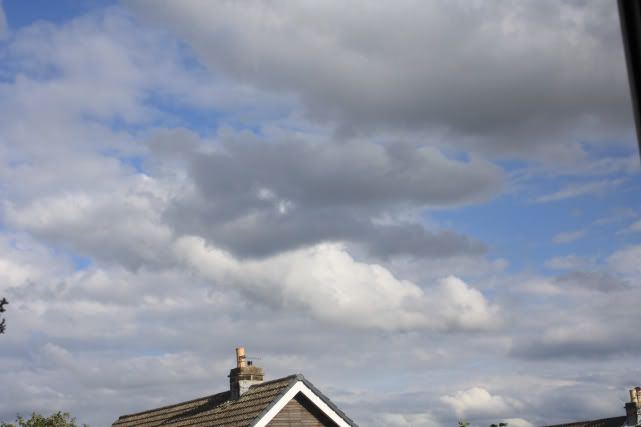
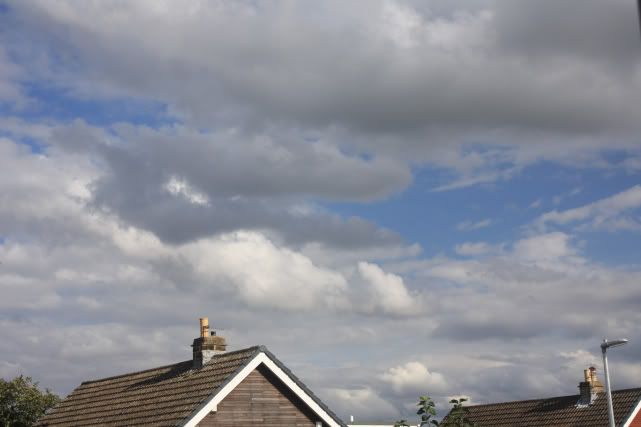
I have had a problem with (most of) my skies being really washed out no matter what setting I use. When I was asking some people in the know they suggested a graduated neutral density filter. This seemed like a great idea so I toddled off to Jessops in Huddersfield and asked for there advice. Oh your polarising filter will sort that out they said as I'd just asked for one of those for some ocean photography I'm planning. So I took the polarising filter (a snip at £35/$70 - eek) hoping that they were right. So far I've had good advice from there.

Anyway I decided to try this polarising filter out. I can't see a difference between the filtered and filterless shots. Can you? Am I supposed to be able to? Maybe it wasn't sunny enough.


The bottom one is the filtered one.

Saturday, 23 August 2008

Moo

I recently signed up with Flickr because I wanted a more professional looking photo host than Photobucket. Now I've had many happy years with photobucket but it will always remain a budget web host. Flickr however is much more than that. It has many different group which you can join (such as a group for photos of Yorkshire etc) and each group can have a forum. I love the way people can comment on your photos as well. So overall I think it has much better functions than the likes of Photobucket and Webshots. I've not even looked at other hosts such as Picassa. So who knows they might be just as good.

Anyway when I signed up to Flickr I was taken to a page run by a company called Moo. Moo (if you don't know them) produce some nifty little business cards and things from your photos. As a new user to Flickr I was entitled to 10 free cards from Moo. I only had a few naff photos in my account at that time but decided to just sent off for the 10 free cards anyway. I was pretty unimpressed with the idea to be honest. But was actually quite impressed when I saw the cards though I'm sure that with better photos they would of been much much better. If you were wanting to give business cards out then this is a uniques, interesting and relatively low budget way to do it. Should the day come that I ever need any business cards then Moo will be high up on my list of places to check out.

Friday, 22 August 2008

Doh

Remember I have been trying to learn how to use the manual functions on my new camera. So last night I'd thought I'd start with shutter speed by waiting till night time and them capturing streaming headlights as the cars went past. Well 20 minutes I sat there and not one car. Just as I was giving up a plane flew low overhead (really low - we live under a flight path near an airport). well anyway great I thought - I'll have my nice streaming lines now. So imagine my confusion when I processed the image and found dots rather than nice streaming lines. How odd I thought - I must of done something wrong. It was only on my way to work this morning that I had the doh moment and realised that of course it would be dotty because plane lights flash don't they. I'd only get the streaming effect with constant light. And I call myself an engineer *slaps head*.


Thursday, 21 August 2008

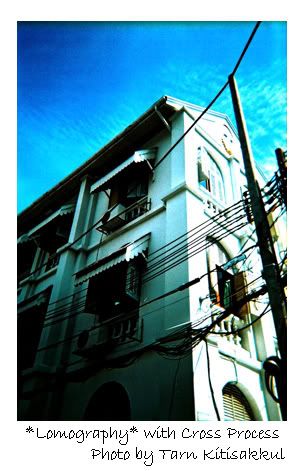
Lomography

About Lomography
A while ago my attention was drawn to a type of photographic effect called Lomography. The name comes from either the camera manufacturer or the name of the camera - I can't remember which.


Lomo Camera


According to Wikipedia -
Lomography emphasizes casual, snapshot photography. Characteristics such as over saturated colors, off-kilter exposure, blurring, "h
appy accidents," and alternative film processing are often considered part of the "Lomographic Technique."Users are encouraged to take a lighthearted approach to their photography, and use these techniques to document everyday life, as the Lomo LC-A's small size, simple controls, and ability to shoot in low light.

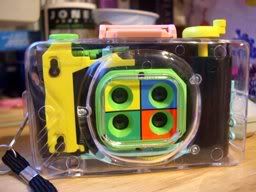
You can buy a Lomo camera which will give various effects such as fish eye or 4 photos in one like I've shown below.

Lomographic Cameras


This camera takes 4 images but you can get fish eye ones as well


Examples of Lomographic images


Faux Lomography


Faux lomography is basically taking a normal photo and post processing it to give the Lomographic effect. The problem with this technique is I find that all the instructions are for Photoshop and I have Paintshop Pro. So I set about to find my own technique. My technique is not perfect and I'm looking to refine it if anyone has ideas.

Make a vignette - I use the Levels function
Increase contrast by 20%
Increase saturation by 20%
Make a new layer with opacity 40%
Flood fill the new layer with black paint
Merge layers
Do a gaussian blur with the factory default setting
Add noise at 10-20% depending on image size
Cut outline with rounded rectangle selection tool if you want

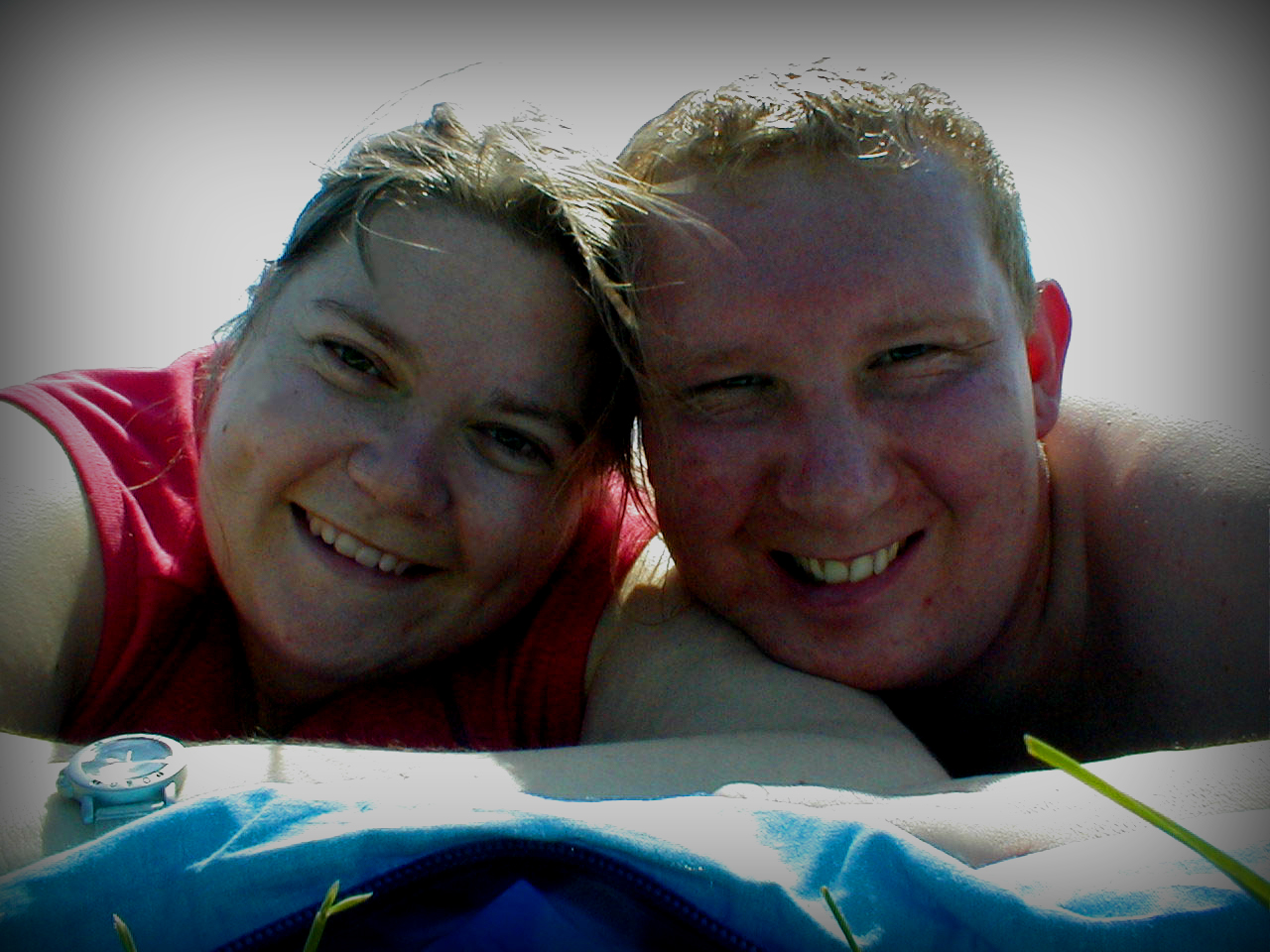
This is the effect the faux lomo technique gives me.


Links
Lomography on wikipedia
Lomographic images on Flickr
Lomography rules

Scotland Day 2

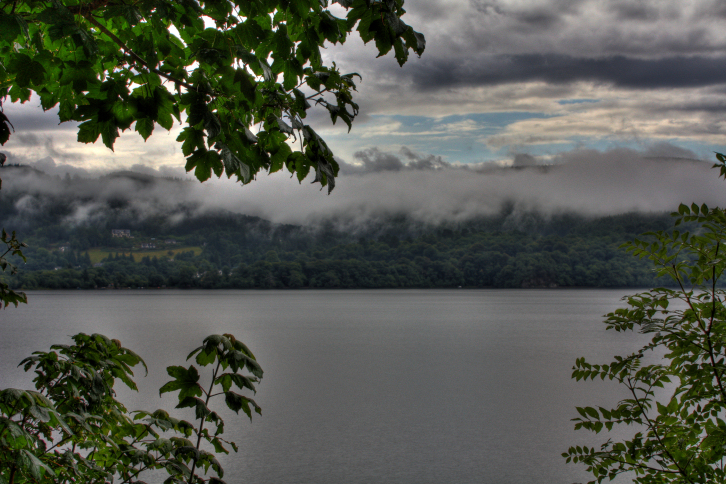
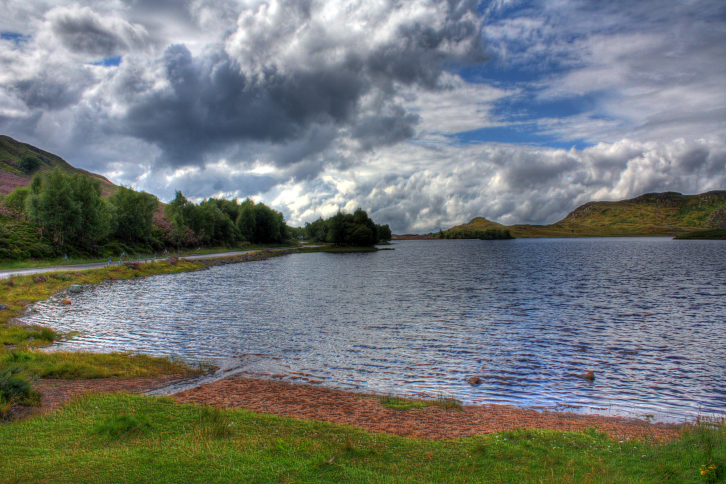
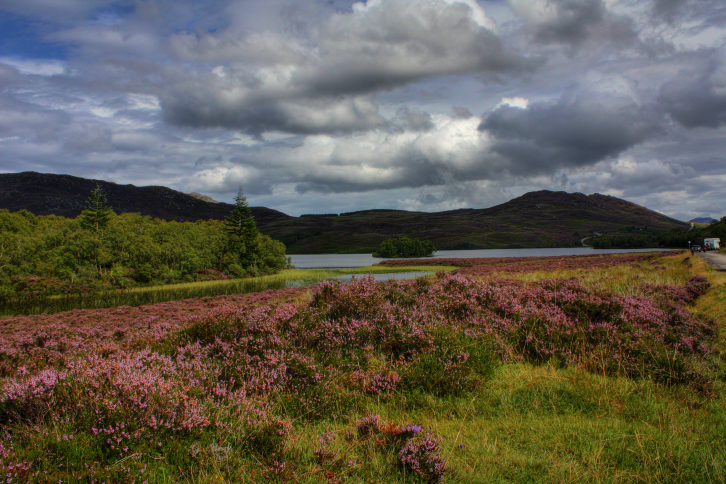
Before I post my photos let me just say how disappointed I was with them. The weather on the second day was terrible (foggy, grey and poor visibility) so needless to say it would of been challenging for even the most experienced photographer. Sadly I am not experienced so the photos were terrible - very dark and with little contrast. Well I guess you can only be as good as what you to work with. Thankfully I did take some HDR images using the AEB function on my camera. This takes 3 pictures at normal, high and low exposure and then merges them. This allows me to pick out the detail in the darker parts of the picture and makes colours look more vibrant. This was the only way I could think of to get any kind of colour or texture into these otherwise lifeless photos. So here goes....


Wednesday, 20 August 2008

Shutter Speed

Background
Shutter speed determines the amount of light reaching the camera sensor and also influence how movement is captured.


Do you remember that earlier I said I was going to have a look at various camera functions and things in an effort to learn more about photography and my camera? Well I think I will start that now so that I have some homework for the weekend. I thought I'd look into shutter speed first. So now I just need to learn about how to use shutter speed to good effect and also how to set the various shutter speeds with my camera.

For the complete novices among us shutter speed is the amount of time that the shutter stays open. The amount of light reaching the sensor depends on the shutter speed. The amount of light reaching the sensor can also be controlled by other means such as aperture size. One of the reasons you might like to adjust the shutter speed is to capture or freeze movement.

For fast moving subjects such as sports photography then the shutter can be set shorter so that it freezes the motion. The drawback to this is that you might need to compensate for the lower amount of light reaching the sensor. You can do this by adjusting your cameras other functions such as aperture size etc. In poor light the shutter can be set to open for longer so that it lets in more light. The drawback of this is that the photos can be prone to blurring. You can reduce the risk of this by using a tripod and the self timer function on the camera to minimise disturbance to the camera. Soemtimes you may want to make the subject blurred such as when capturing head light blur. You can do this by having a slower shutter speed.

Shutter speeds are measured in seconds and have been agreed as -
1/1000 s
1/500 s
1/250 s
1/125 s
1/60 s
1/30 s
1/15 s
1/8 s
1/4 s
1/2 s
1 s

Using shutter speed to freeze motion
The shutter speeds that you need depends on the subject matter. A slow moving subject will need a slower shutter speed than a faster moving one. An approximate guide is -

Subject Shutter Speed
Walking 1/60 sec
Running 1/12 sec
Cycling, fast animals & sports 1/250 sec
Cars & motorsports 1/500 sec
Fast flowing water 1/500 sec

So how do you do this with your camera?
Generally speaking (I'll move onto the setting of my particular camera - the Canon Eos 450D - later) the best way of controlling the shutter speed is to use the shutter priority setting on your camera.....apparently.....I wouldn't know. This will automatically select an appropriate aperture to make sure the image is captured at the correct exposure. Sometimes with very fast shutter speeds not enough light reaches the image sensor - especially where light conditions are poor anyway. If this is the case you can try increasing the cameras ISO setting which increases the sensitivity of the image sensor.

How do I do it with the Canon Eos 450D?
Set the mode dial to TV to set the shutter-priority
Set the shutter speed
If the aperture displat starts blinking the ISO needs changing as the adjustable aperture range has been exceeded.

Tuesday, 19 August 2008

If I had my way.....

If I had my way all inconsiderate and ignorant people who step in front of your camera when your trying to take a phot will be hung at dawn. Ok so that's a little strong maybe so let me name and shame them at least. Oh ok then....I'll just show you and forget the names (since I don't know them anyway.

We found a secluded part of a loch and I set up my tripod and just affixed my camera on top. I was just selecting my settings and about to press the shoot button and hey what's this? 2 people appear in my shot. Now if I'd been discretely taking a photo I could have forgiven them for wondering onto my shot. But I'm stood there with a bloody tripod and DSLR camera for crying out loud. So I cleared my throat loudly trying to get there attention. they looked at me and carried on with what they were doing. It was pretty dam obvious I just wanted 2 seconds without them in the frame but would they cooperate? No. Bloody tourists ;)

The culprits.


I was thinking again....

Gosh I've been doing alot of thinking today. In an effort to learn more about various techniqies and camera functions I'd decided to write some topics on a few of these functions and techniques. I thought I could try out various ones and then in the process I would learn how to use my camera and which setting to use when.

So I was thinking something along the lines of F stops & apertures, shutter speed, ISO, focal length, aperture priority, autofocus, white balance etc. And maybe a couple of miscellaneous topics as well.

First one I might start working on later today.....not sure which one I will go for yet.

A thought just occurred to me

A thought just occurred to me. When I look threw various forums and magazines I find the critique of the photos is puzzling to me. It puzzles me that somebody would call a photo slightly under or over exposed for example. How would they know? To me there often looks like there is no difference? So what is the gold standard that these people must be referring to? Who says how dark or light something should be? I'm not talking about the obviously under/overexposed photos. I'm talking about subtle differences.

I like photos with enhanced contrast and saturation so I'd be a little put out if somebody suggested the contrast might be to high. I'm talking about by commenting on a persons photograph you are making some significant assumptions about what effect it was that they were trying to create.

What are your thoughts on this? Leave your comments below.


Too much saturation and contrast? Depends what effect your going for I think.

Scotland trip - day 1

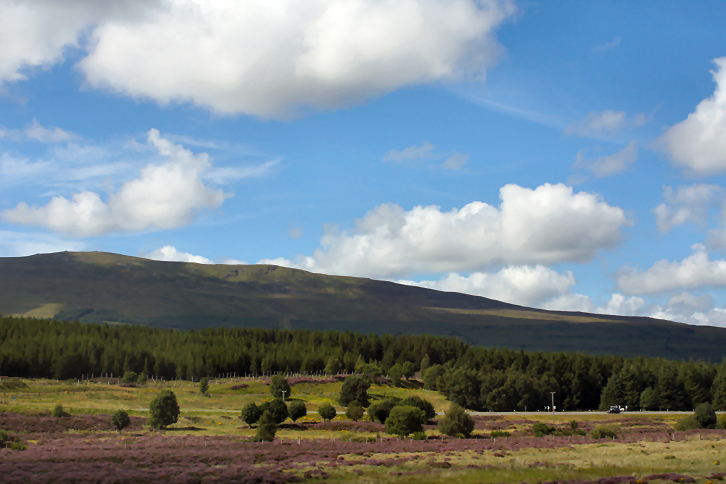
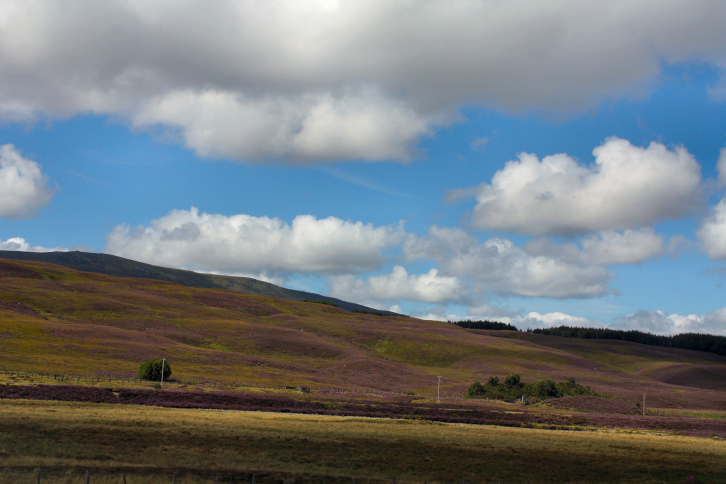
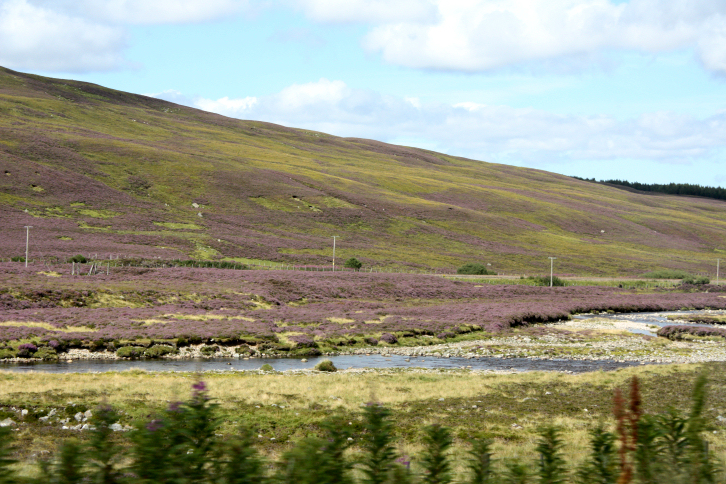
I have finished going through some photographs from day 1 of our trip. They are ok but it reinforces how I really need to learn how to use my cameras functions. Yeah I have got by so far on pre-set functions (shock horror - I know) but I really need to get out there with my camera manual and just go for it. The only thing that's stopped me so far is lack of inspiration for subject material and the fact that its so long since I last used things like shutter speeds and aperture settings that I've forgotten how and when to use them. So I think that will be my next job. I noticed that alot of my holiday photos were over exposed and it would have been good to be able to compensate for that at the time of taking the photos. This seems to be more of a problem with my zoom lens which seems to really overexpose the subject. But still I was pleased with many of the photos and especially the black and white ones. I've shown a few below (just click the image to see a larger picture).

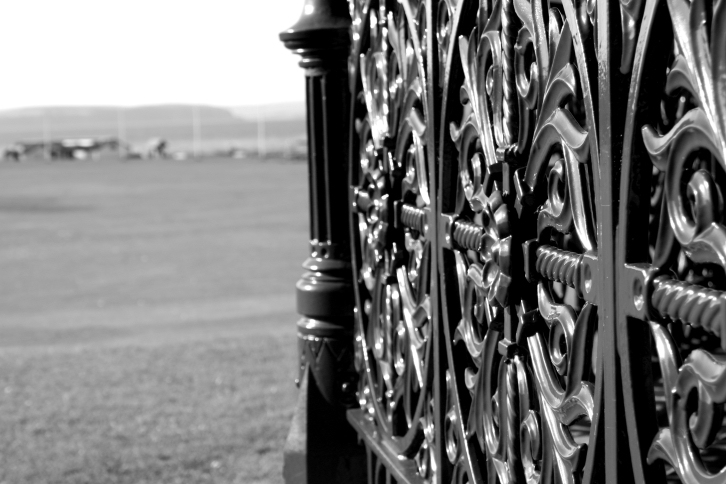
On day 1 we set off from Yorkshire at about 7am and arrived in Inverness at about 3pm. The weather was lovely - very sunny (maybe a little to sunny really as we both got sunburnt noses). Little did we know it would be the only decent weather all trip. Thankfully we made the most of it though and snapped lots of pictures from the car on the drive up and then went to a beach somewhere near Fort Augustus (an army camp) and then onto Nairn and Nairn beach. Nairm beach was lovely but the beach at Fort Augustus gave us some terrain that was well suited to some monochrome photos.

I took these photos from the car while we were travelling up to Scotland. I just set the camera to sport mode because it has a faster shutter speed. I quite like doing this to get some "smash and grab" photos.


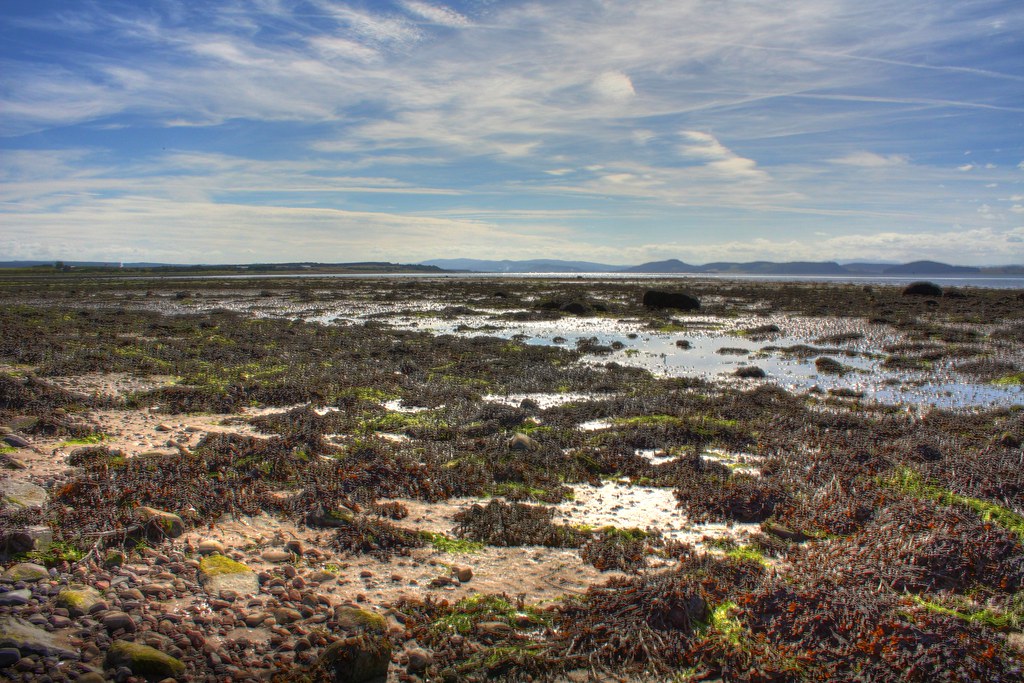
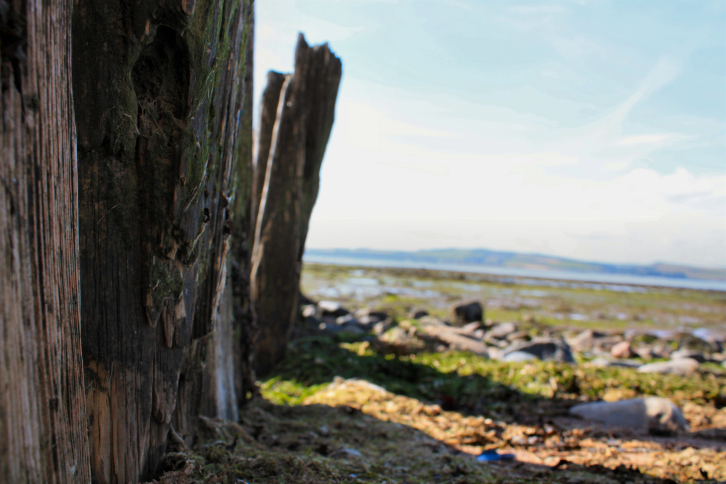
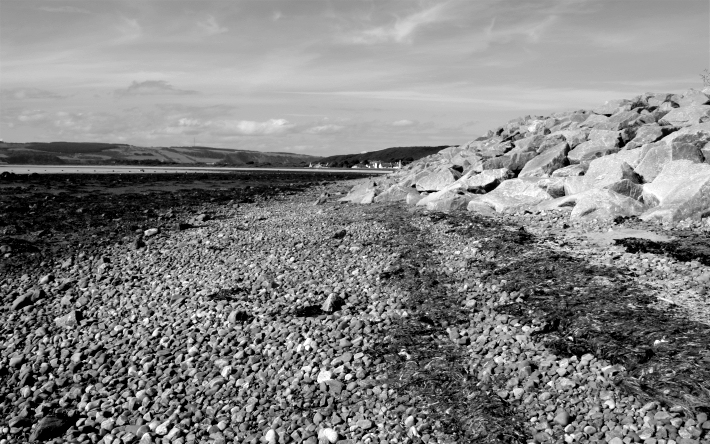
The following photos were taken at a beach somewhere near Fort Augustus army camp.


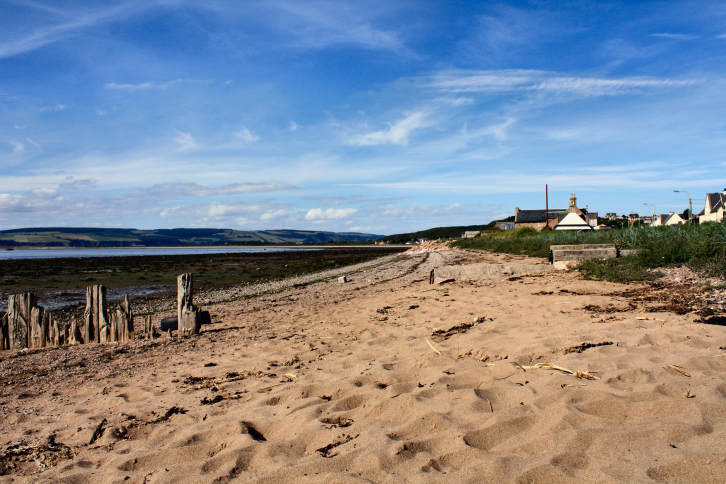
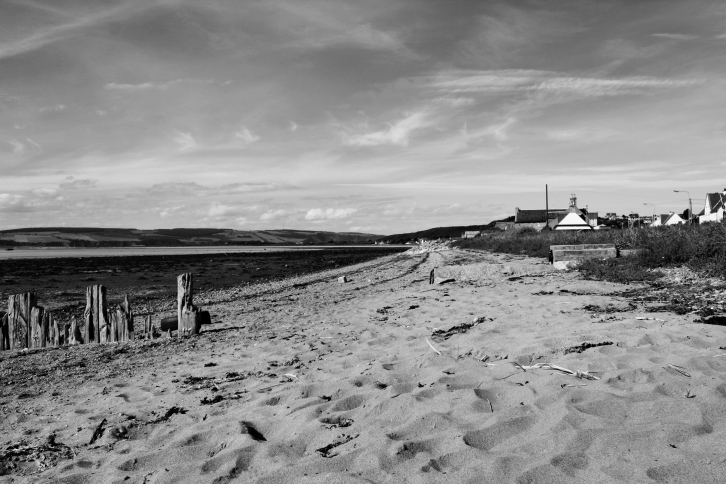
The light was really strong and was casting to many shadows on things so I tried a HDR shot (above) to help bring out the shadows. Later I tried a regular exposure picture because I thought the high contrast would be great for a black and white picture (below). Hence 2 versions of the same scene.


I was sat on the ground taking some macro photos (which didn't turn out grrrrrr) and looked up to see my husband looking out across the bay. I liked the unusual angle and how it gave a more interesting background and perspective.

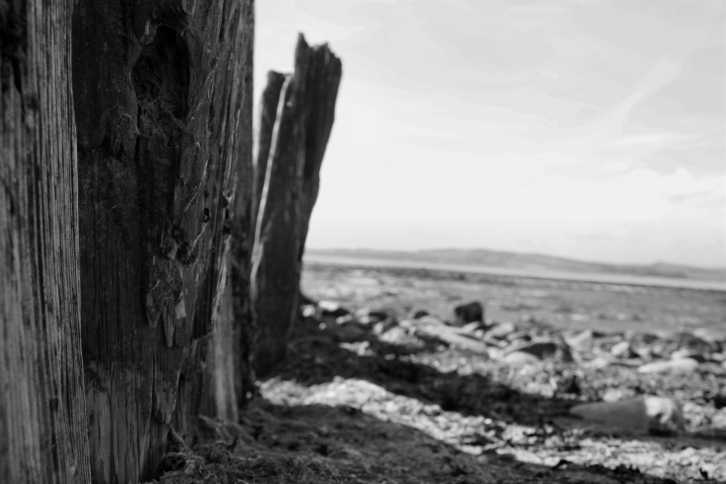
Some more of the beach - I made some into black and white photos because I thought they would work well. I'll let you decide.


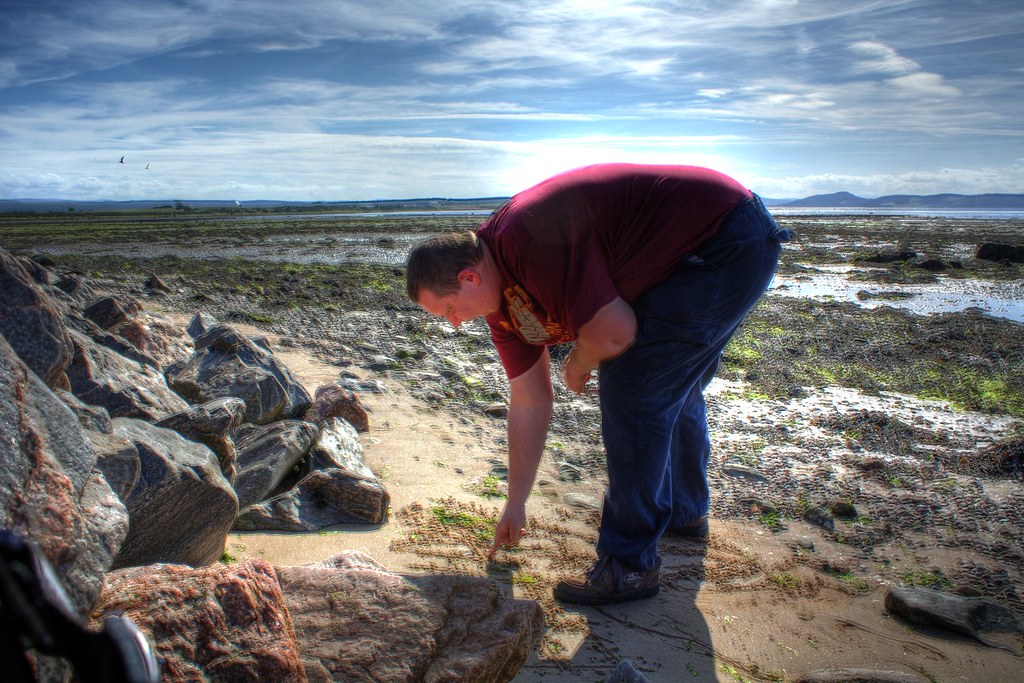
This one didn't really turn out very well but you cna see the effect I was going for. I think my husband was getting bored because when I turned round he was writing things in the sand :)

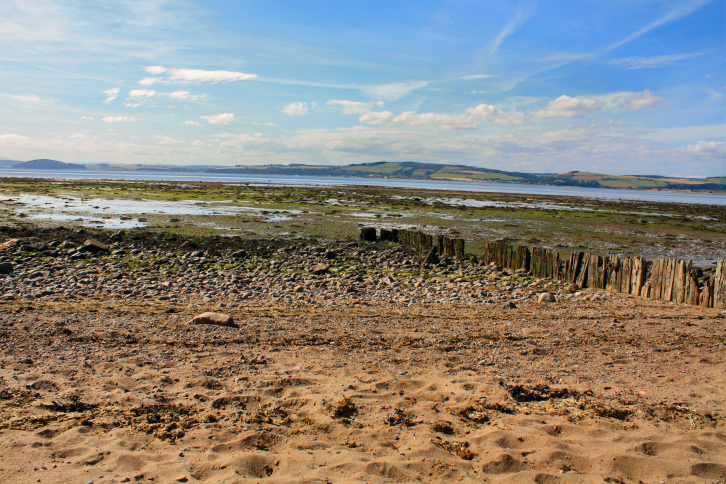
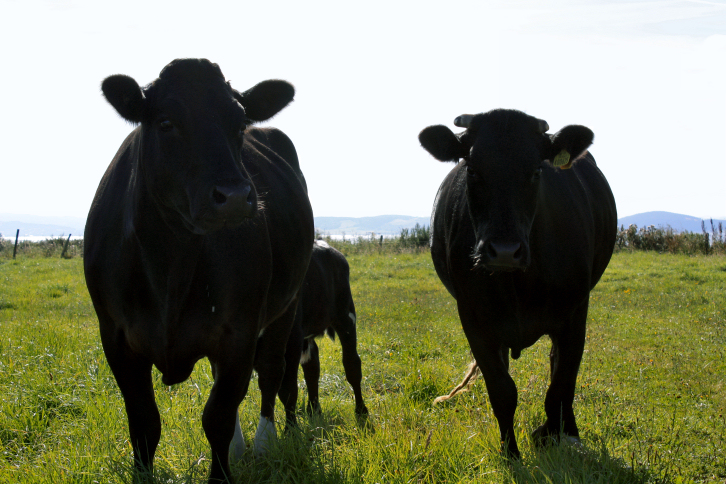
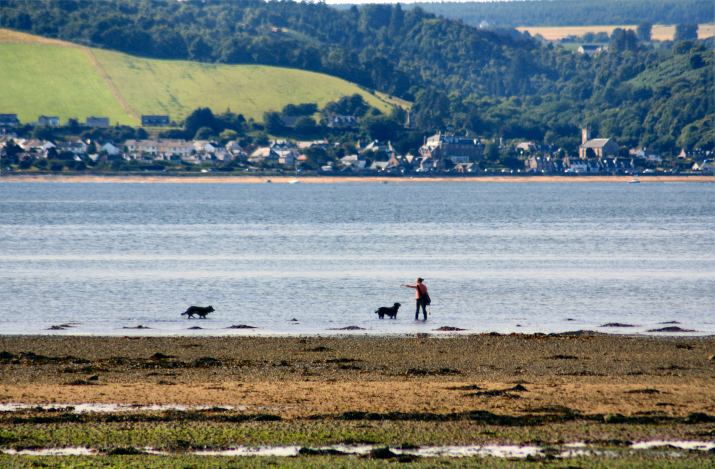
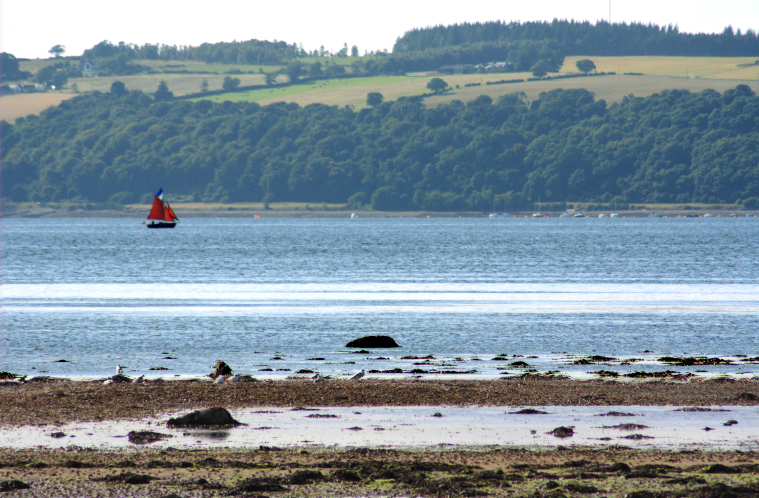
There was a farm next to the beach. The farm had a field which contained a few cows. I started snapping the cows and they were so inquisitive (or eyeing me up for a kill maybe?) that they started strolling over to the gate where I was standing. Once they got withing a tongue licking length of my lens I decided it was time to hot foot it out of there. I would of loved a better photo of the calf feeding from its mum - and I would of got it if they hadn't been so inquisitive that they all started walking off.


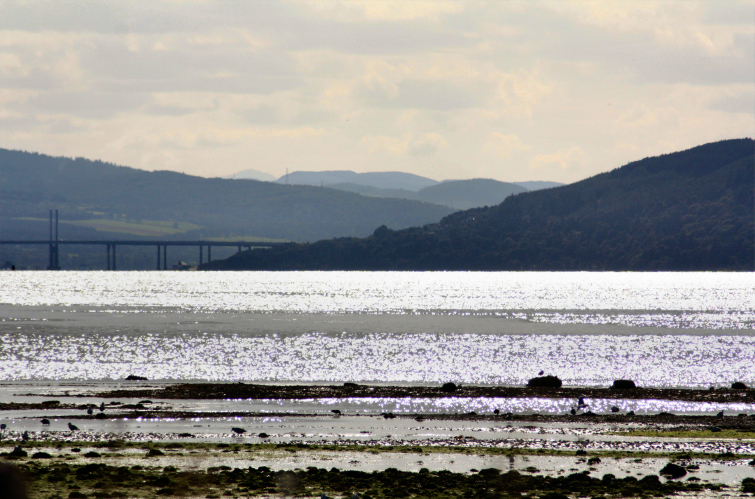
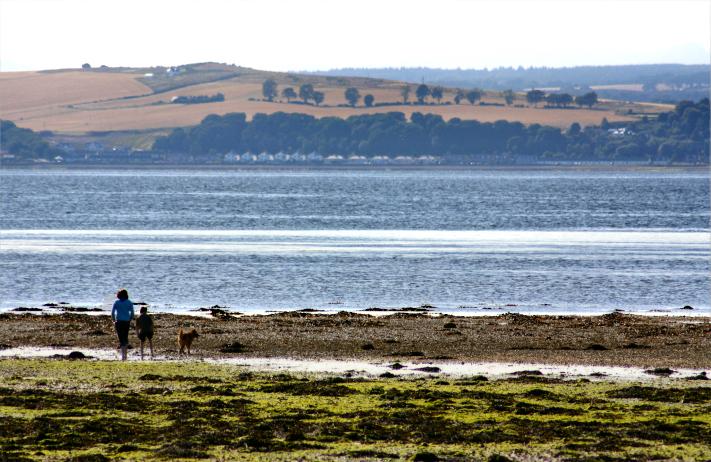
These few were taken with my zoom lens. I hadn't got a tripod which explains why they don't look very sharp. Also it was a hazy day so the other side of the bay wasn't very clear.


This picture was taken on the way to Fort Augustus. I really like this picture but can't explain why. It was heavily post processed though to remove bugs from the windscreen.


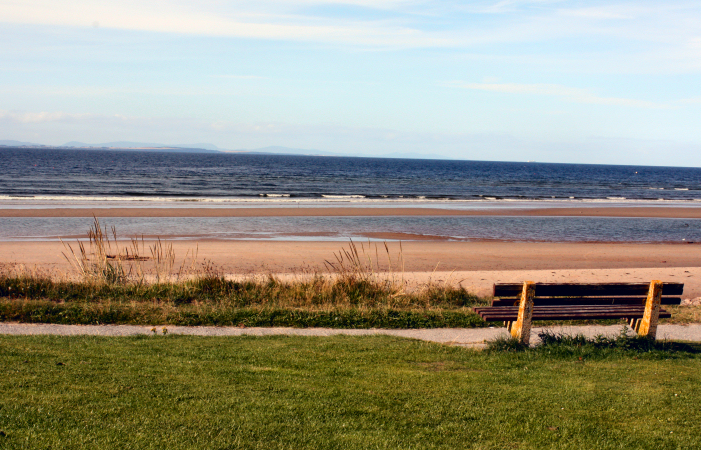
The following pictures were taken at Nairn beach. This is a lovely beach and reminds me of pictures I've seen of the beaches round New England. With sand dunes and long wispy grasses poking out of the sand dunes. It was a really hot and sunny day so there were loads of people about that it made taking pictures nearly impossible at times.


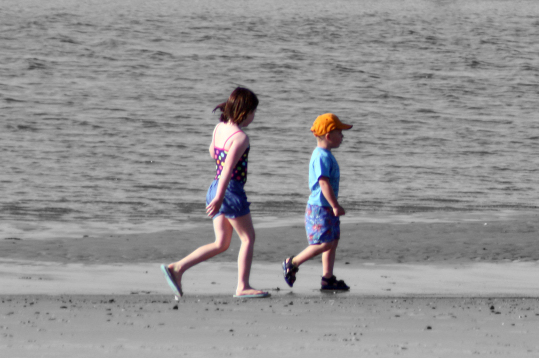
The light was very strong and overexposed everything since I don't yet know how to use the manual functions ont he camera. The sand ended up looking white and so was the sky. But the kids were wearing colourful clothing and I thought it would be interesting to highlight the colour of the clothes against a black and white background.
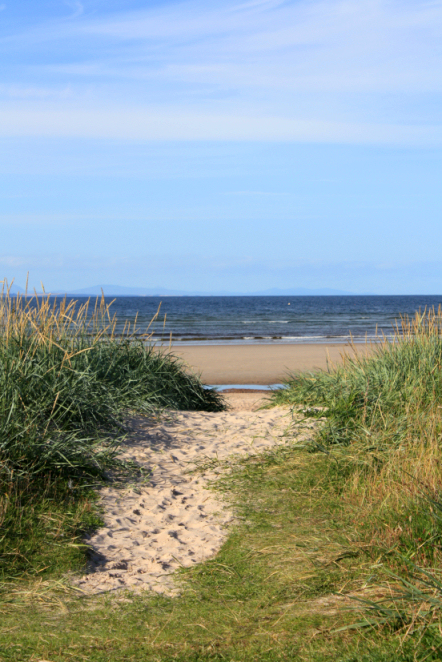
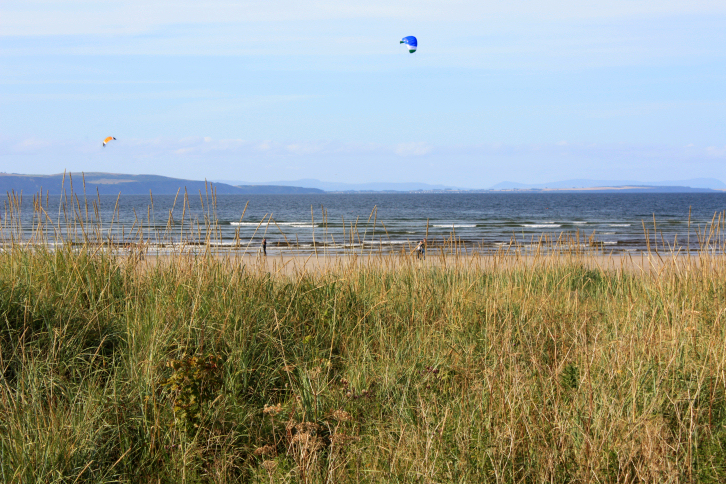


And a few pics taken in Nairn.